

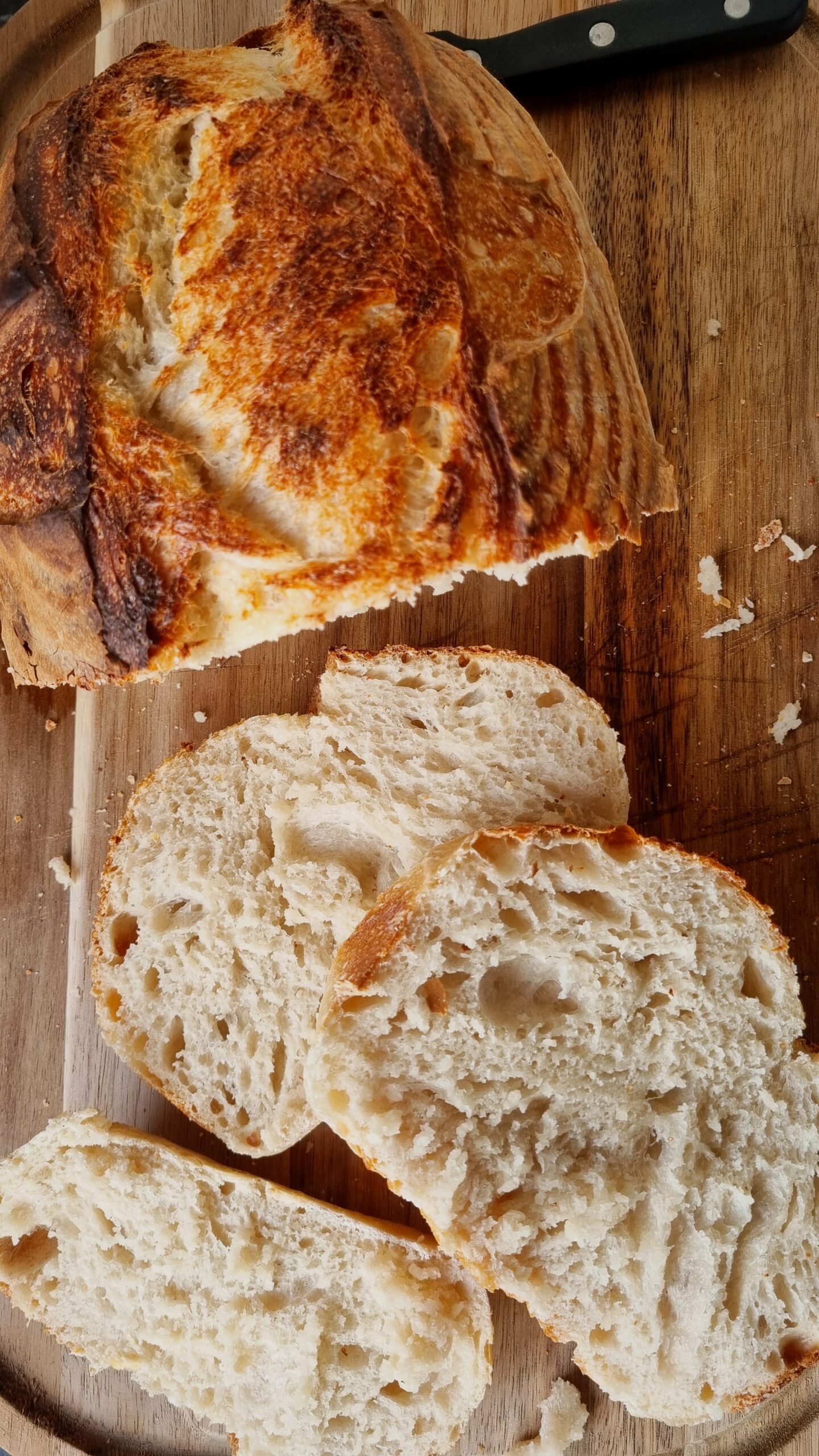
If you read almost any sourdough recipe or baking guide online—especially ones from the US—you’ll almost certainly see a strict warning: “Only use filtered or bottled water for your sourdough starter!”
So, if your home runs on a well (groundwater or bore water), you might wonder if you need to buy endless bottles of water just to bake a decent loaf of bread.
The short answer? Absolutely not. You can use well water straight from the tap to feed your starter and bake your loaves. In fact, natural well water is often far superior for sourdough than expensive bottled water or treated city tap water!
Why Online Recipes Panic About Tap Water
The obsession with filtered or bottled water in the sourdough community comes down to one main culprit: chlorine and chloramine.
Council water supplies treat tap water with chemical disinfectants to kill off bacteria. Because your sourdough starter is a living ecosystem of wild yeast and beneficial lactic acid bacteria, high levels of chlorine can stunt, weaken, or completely kill your starter’s active culture.
Bakers using city/town tap water often struggle with sluggish starters that refuse to rise—hence the universal advice to switch to bottled water.
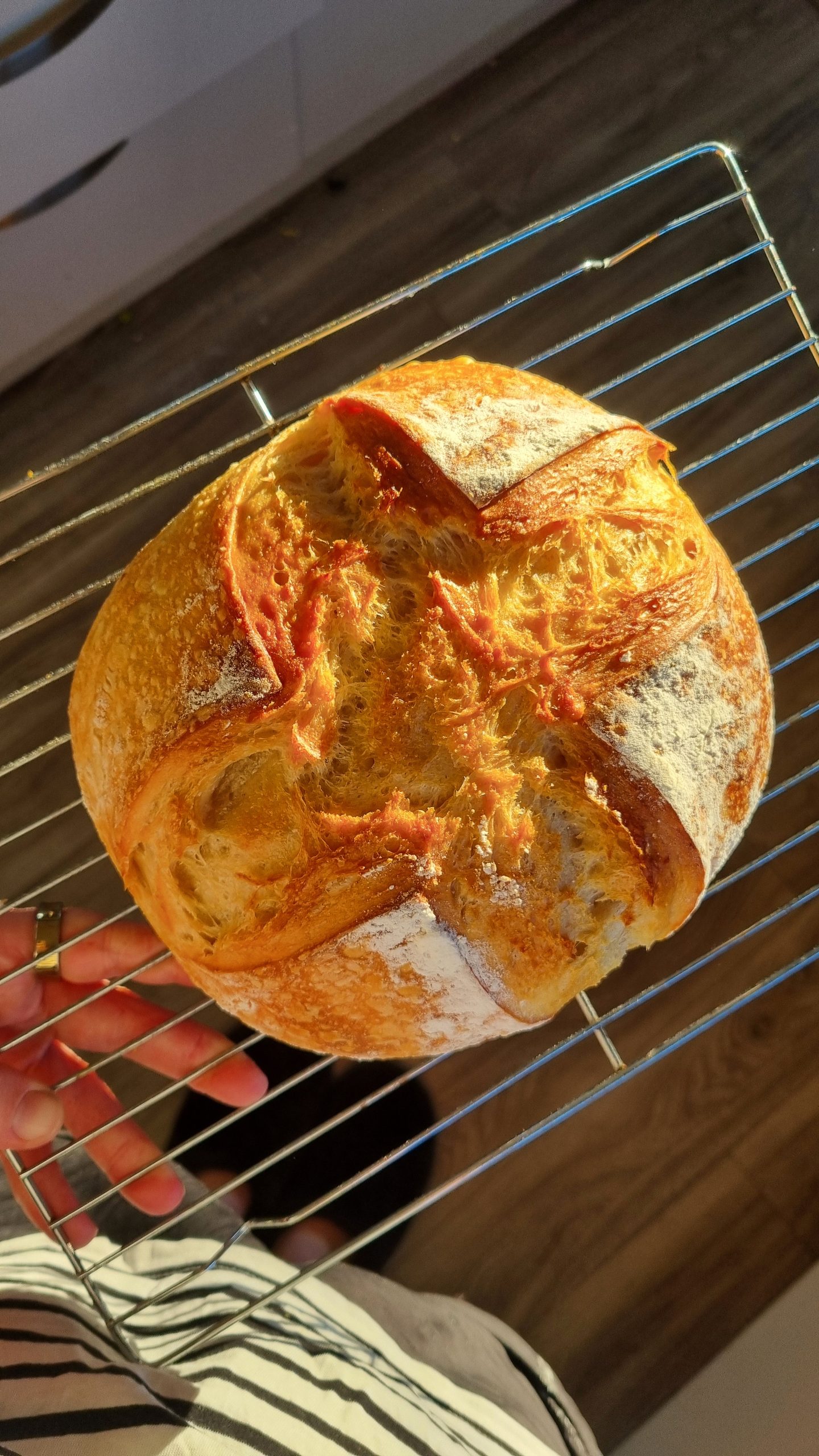
Why Well Water is a Sourdough Secret Weapon
If your water comes from a private well, like ours does here on our lifetsyle block, you get to bypass the chemical treatment process altogether. Here is why well water works so brilliantly for home baking:
1. Zero Chemical Interferences
Well water is completely free from added chlorine and chloramines. When you feed your starter straight from the tap, the wild yeast and natural bacteria can feed on the flour without any chemical resistance.
2. Rich in Yeast-Loving Minerals
Rainwater is naturally “soft” (mineral-light), but groundwater filters down through layers of soil, rock, and stone. This natural filtration packs well water with beneficial minerals like calcium and magnesium.
- Stronger Gluten Structure: Minerals help strengthen gluten proteins, giving your dough better shape and rise.
- Happier Fermentation: Wild yeast thrives in mineral-rich environments, leading to vigorous, bubbly daily feeds.
SEE MORE: See all of my posts about Sourdough! <<
Simple Tips for Baking Sourdough with Well Water
While well water is naturally great for baking, a few quick adjustments will help you get consistent, beautiful loaves every time:
- Watch the Temperature: Well water comes up from underground cold—especially during autumn and winter! Sourdough ferments best when mixed with lukewarm/room temp water. Take the chill off your tap water before feeding your starter or mixing your dough.
- Adjust Hydration for Hardness: Because well water is rich in minerals (“hard water”), it can sometimes tighten up gluten and make dough feel slightly firmer. If your dough feels a little stiff, simply add an extra tablespoon of water to reach your desired texture.
- Basic Filter Maintenance: If your home uses an inline sediment or UV filter system, keeping up with regular maintenance ensures your water stays fresh, clean, and delicious.
The Verdict
Don’t let over-complicated sourdough guides convince you that you need special water. Straight from the tap, untreated well water provides the exact chemical-free, mineral-rich foundation that wild yeast loves. Keep it simple, feed your starter with what you have, and enjoy the bake!