

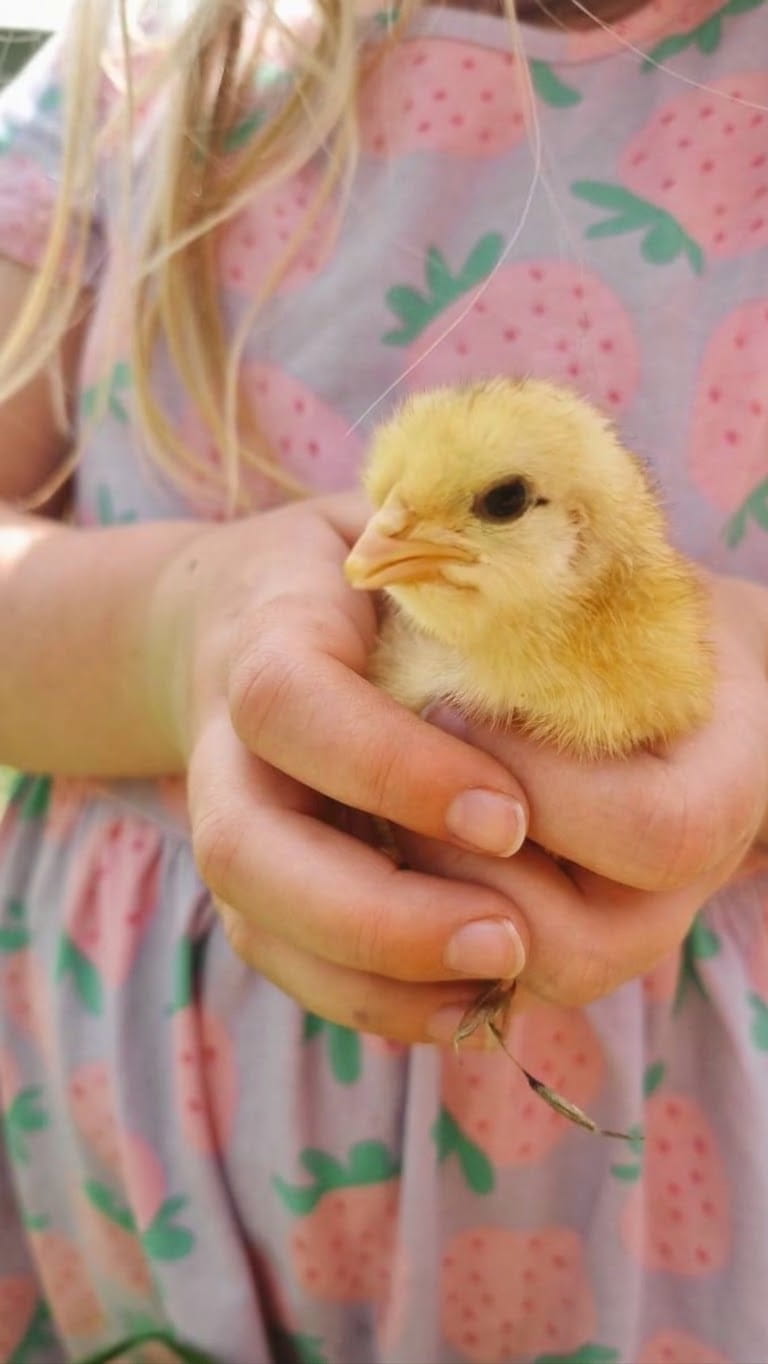
There is something pretty special about seeing a mother hen hatch and raise her own chicks. And after our latest little hatch on our lifestyle block, I’m reminded why we like to keep a few Silkie crosses in our flock!
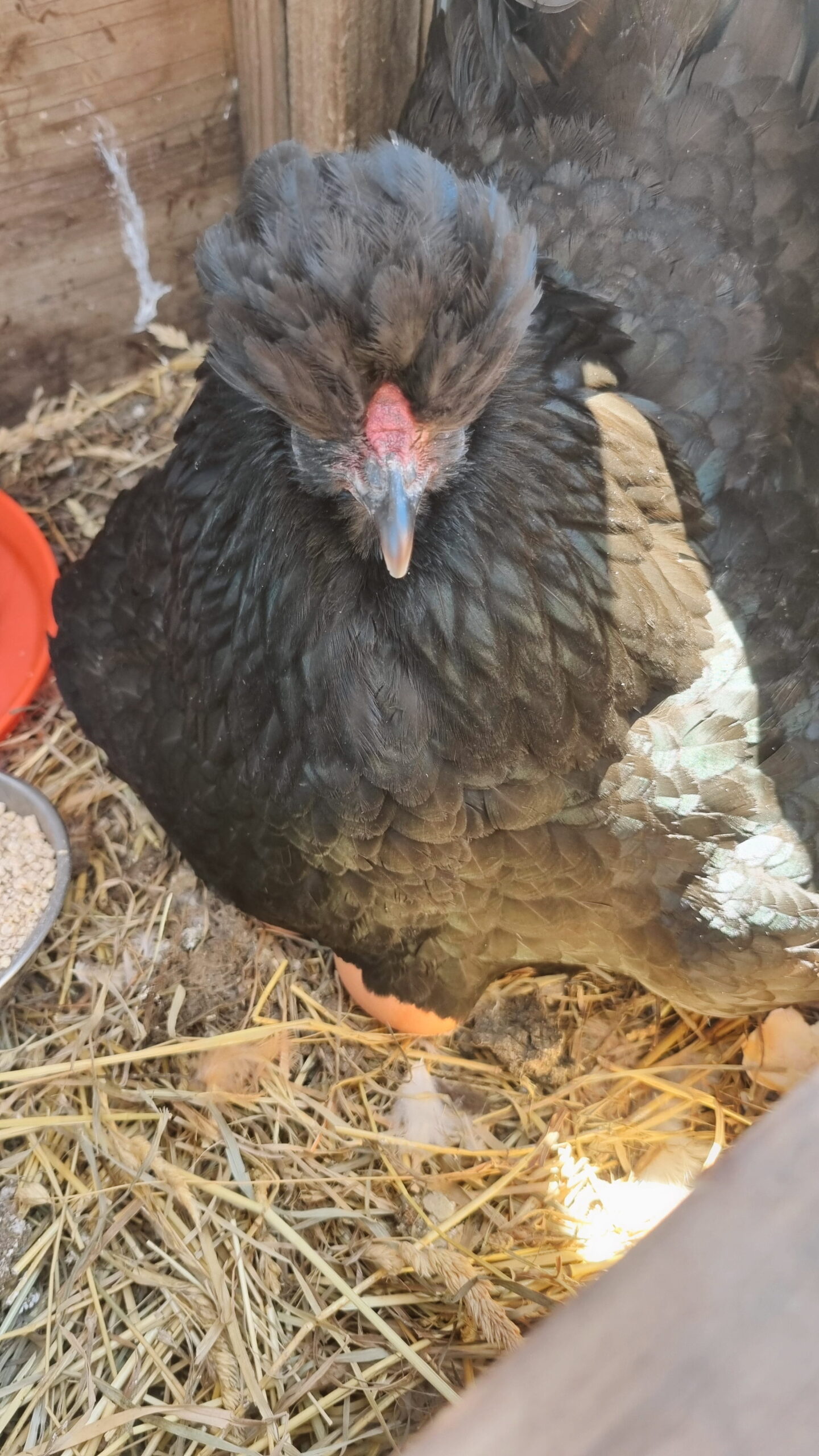
A few weeks ago, one of our halfbred/backyard special Silkie hens decided spring was the perfect time to go broody. Fast-forward a few weeks, and we now have three adorable little yellow chicks following their mum around.
We’ve got a mixed flock here, including Brown Shaver hens and a Rhode Island Red rooster, and we love having our Silkie crosses in the mix because they’re always a shoe-in to go broody when spring rolls around.
If you’re wondering how to hatch chicks under a broody hen, what happens when the eggs hatch, or how to care for a mother hen and her new chicks, here’s how we do things on our little patch of rural New Zealand.
If you’re new to keeping chickens, I’ve also put together The Super Basic, No-Nonsense Guide to Getting Started With Chickens. It’s a good place to start if you’re thinking about starting your own flock before diving into the world of broody hens and hatching chicks.
What Is a Broody Hen?
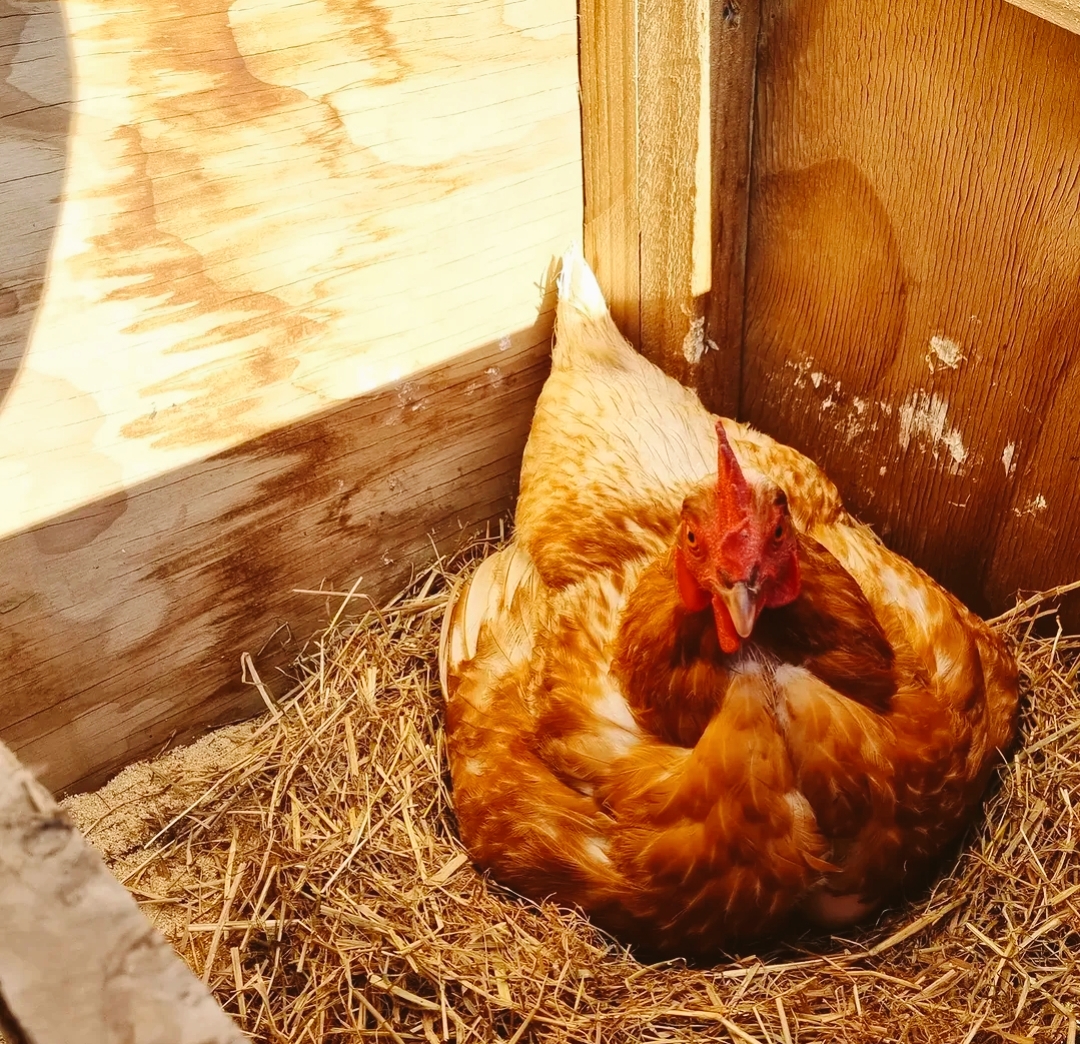
A broody hen is a chicken whose natural instinct is to sit on eggs and hatch them. Rather than spending her days scratching around with the rest of the flock, she’ll settle herself into a nesting box and become very determined to stay there.
You might notice your hen spending most of her time in the nest, puffing up her feathers, clucking, or getting a little grumpy when you try to collect eggs. Some hens will even sit on an empty nest!
Not every hen is interested in becoming a mum, but some breeds and crosses are much more inclined to go broody than others. Silkies are well known for their broody tendencies, which is one of the reasons we like keeping our halfbred Silkies around. Our lavender Araucanas also love to go broody, but we never actually let them anymore since we sold our lavender rooster.
When one of our hens go broody in spring, we see it as an opportunity to let nature do its thing and hopefully add a few more chicks to the flock.
Why We Keep oour Backyard Special / Silkie Hens
We keep halfbred Silkie hens in our flock specifically because they’re so reliable when it comes to going broody.
Spring seems to bring out their maternal instincts, and having a hen willing to sit on eggs makes hatching a small number of chicks much simpler than setting up an incubator and raising the chicks ourselves.
Of course, every hen is different, and being a Silkie cross doesn’t guarantee she’ll go broody or be a good mum. But ours have earned their place in the flock!
There’s something lovely about watching a hen do what comes naturally. She takes care of the warmth, keeps her chicks close and teaches them how to get around their new world. We still need to provide a safe environment, suitable food and water, and keep an eye on everyone, but Mum does a lot of the hard work.
Our Latest Hatch: Three Little Yellow Chicks
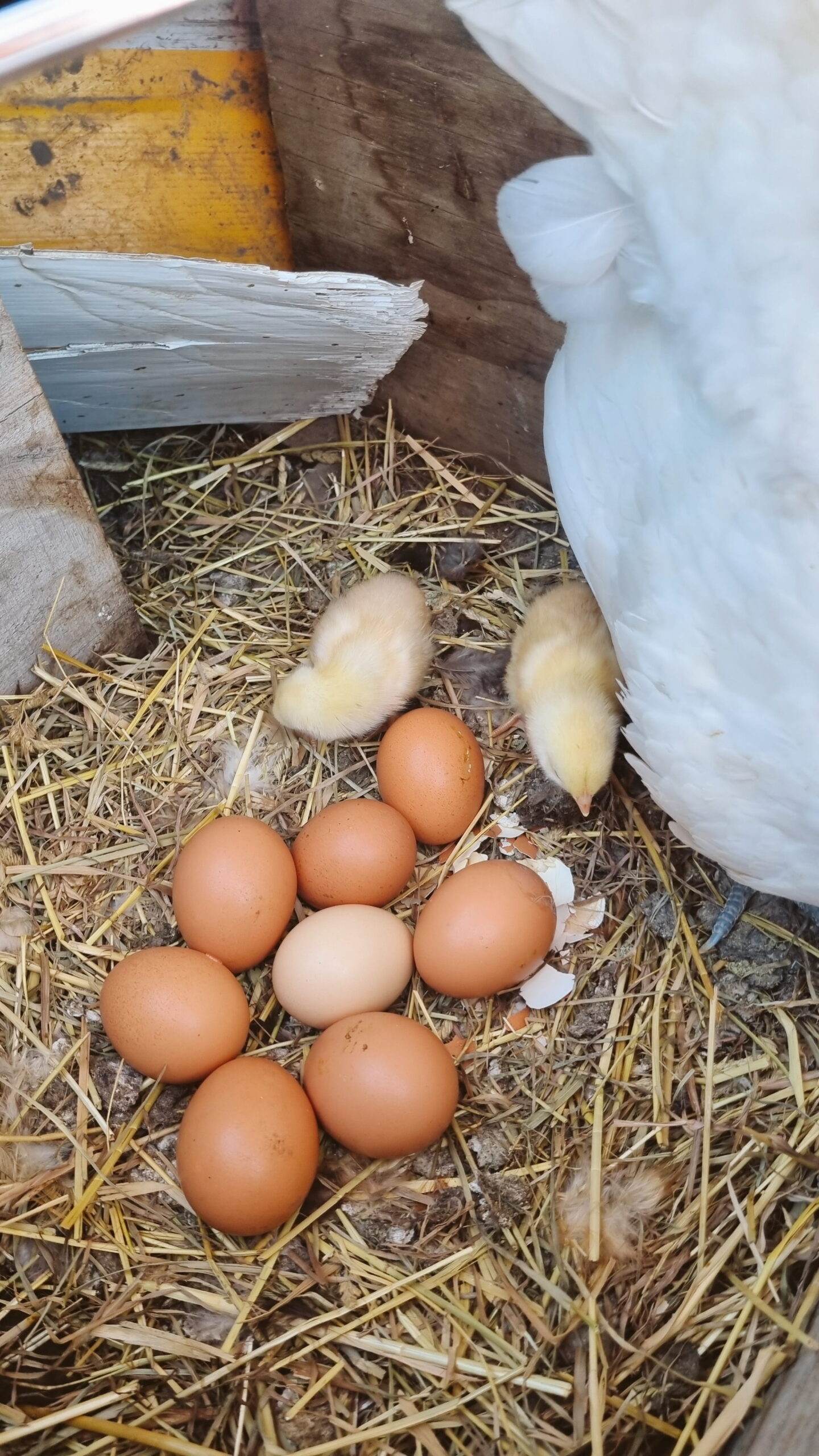
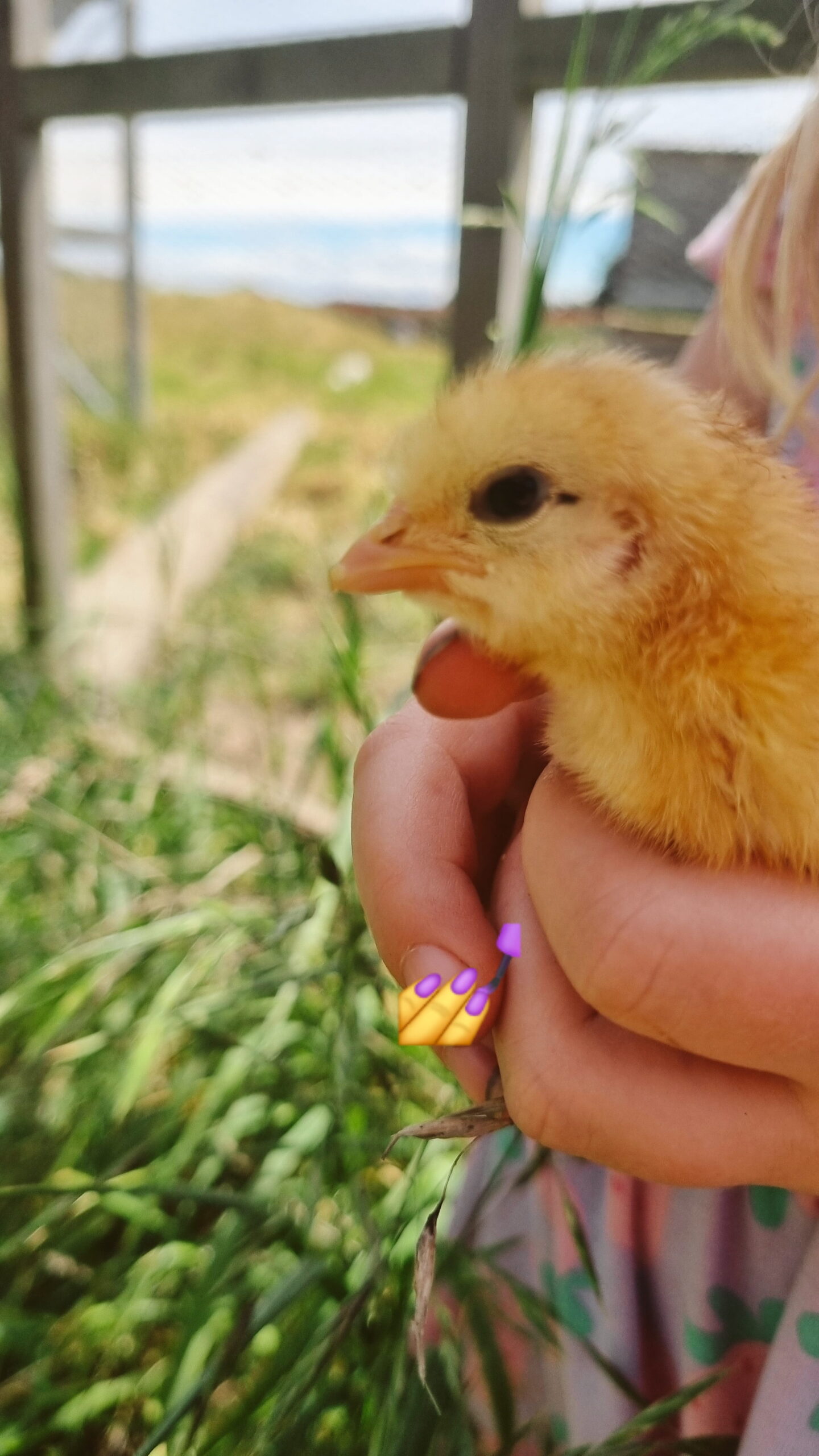
Our latest broody hen has just successfully hatched three little yellow chicks, and they are ridiculously cute.
We have a Rhode Island Red rooster who does his thing with our Brown Shaver hens. The resulting chicks tend to look pretty close to the Brown Shavers, although some grow a little taller if they inherit more of their dad’s genes. Haha!
It’s always interesting seeing how the chicks develop and which traits they take after each parent.
With this latest hatch, our halfbred Silkie has done the job beautifully. She’s gone from sitting patiently on her eggs to being a very attentive mum to her three little ones.
And now that the weather is warming up here in New Zealand, it’s lovely watching them begin to venture out, explore their surroundings and learn how to eat and drink with Mum close by.
How Long Does It Take for Chicks to Hatch Under a Hen?
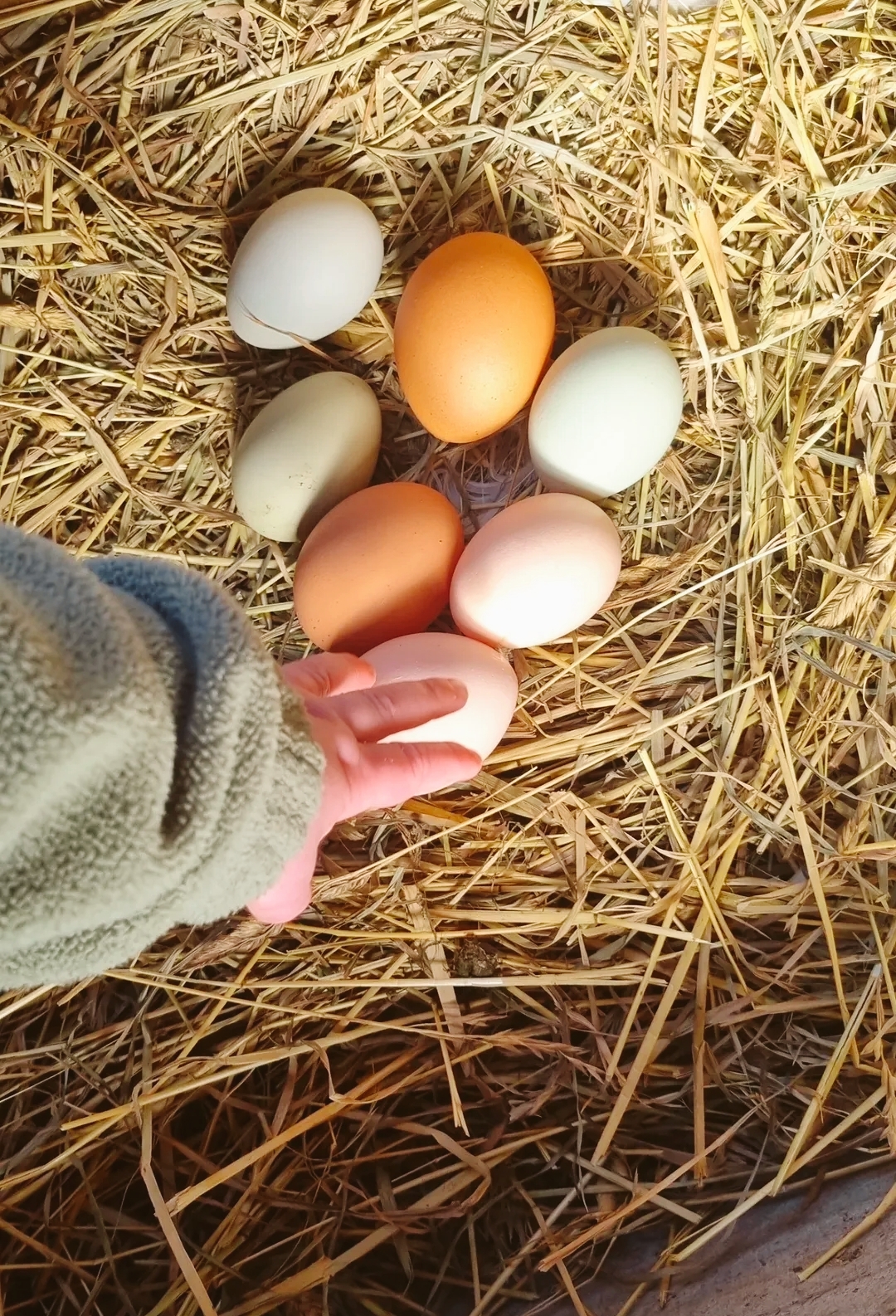
Chicken eggs usually take around 21 days to hatch once incubation is underway, although individual chicks may hatch a little earlier or later.
During this time, a broody hen keeps the eggs warm and turns them as part of the natural incubation process.
It’s important to give her a quiet, secure nesting area where she won’t be constantly disturbed by other hens. She also needs access to food and fresh water, even if she spends most of her time sitting.
As hatching approaches, you may hear little cheeps coming from inside the eggs. Once the chicks start hatching, try to resist the temptation to keep lifting the hen to check on them. Hatching takes time, and a little peace and quiet is helpful.
Not every egg will necessarily hatch, so don’t be disheartened if your final number of chicks is smaller than the number of eggs your hen was sitting on.
Of course, letting a broody hen do the hard work isn’t the only way to hatch your own chicks. If you don’t have a broody hen available, or you’d prefer to try artificial incubation, I’ve also shared my Brinsea Mini II Eco Incubator Setup and Egg-Setting Guide, which walks through getting started with an incubator.
What to Do When Chicks Hatch Under a Broody Hen
Once the chicks have hatched, the job shifts from incubating eggs to raising a little family.
Here are the main things we focus on.
1. Let Mum Bond With Her Chicks
A mother hen needs time to bond with her newly hatched chicks. She’ll call them close, tuck them under her feathers and help them stay warm.
Try not to interfere unnecessarily while the hatch is happening. Once the chicks are dry and active, you’ll usually see them beginning to follow Mum around.
2. Move the Hen and Chicks to Their Own Coop
After a couple of days, we move our mother hen and her chicks into their own coop.
This is one of the things that works well for us. Rather than leaving a new little family in with the rest of our flock, we give them their own safe space away from the other hens.
Let’s be honest: chickens can be grumpy with one another, and a tiny chick doesn’t stand much chance if an adult hen decides to have a go at it.
A separate coop gives the mother hen room to care for her chicks without having to compete with the rest of the flock. It also means we can keep a closer eye on the little ones and make sure they have access to their own food and water.
We have had a few chicks drown over the years trying to use the hens water bucket so provided them their own little area is crucial for survival rate.
If you need to move a hen while she’s still incubating eggs, that’s a different situation. Moving her nest can cause some hens to become unsettled or abandon it, so plan carefully. We move ours after the chicks have hatched and had a little time to settle.
3. Keep Them Safe From Predators
Our other reason for giving Mum and her chicks their own space? Our curious cats!
We love our cats, but we don’t want them investigating a nest full of tiny, vulnerable chicks. A separate, secure coop and run helps keep the chicks protected while they’re still small.
Think about all the animals that might have access to your chicken area, including cats, dogs and wild predators. Make sure the coop has secure doors, suitable mesh and no gaps that little chicks can squeeze through.
A mother hen is naturally protective, but she shouldn’t have to rely on instinct alone to keep her chicks safe.
4. Let the Chicks Explore When Conditions Allow
As spring temperatures start to rise here in New Zealand, our chicks can begin venturing out of the coop to explore their surroundings.
They follow Mum around, peck at things that catch their attention and learn how to behave like little chickens. It’s lovely watching them discover the world.
The important thing is making sure their space is safe, dry and sheltered, with somewhere they can retreat if the weather turns cold or wet.
Even when the days are warming up, young chicks can still get chilled. Their mother helps keep them warm by allowing them to tuck underneath her feathers whenever they need to.
5. Provide Suitable Chick Feed and Safe Drinking Water
Although Mum teaches her chicks plenty of things, they still need the right nutrition and access to clean water.
We make sure the chicks can reach appropriate chick starter feed and have a drinker designed for little birds. Water containers need to be shallow or specifically designed for chicks so they can’t fall in or drown.
It’s also worth checking that the mother hen can eat comfortably alongside them. A suitable feed plan for the hen and chicks helps support both her recovery from brooding and the chicks’ growth.
Keep food and water clean, dry and easy to access. Little chicks are curious, and they can make a surprisingly big mess of a small space!
Can You Leave Chicks With Their Mother Hen?
Yes! One of the lovely things about hatching chicks naturally is that a good mother hen can care for her own chicks.
She keeps them warm, calls them when she finds food, and shows them how to scratch and peck around their environment. Instead of setting up a heated brooder for chicks raised without a mother, we let our hen do what comes naturally while we take care of the practical stuff.
However, you’ll still need to monitor the chicks and their mum. Make sure every chick is active, able to get food and water, and able to shelter under the hen. Keep an eye out for bullying, injuries, signs of illness or a chick being repeatedly left behind.
A separate, secure space makes it easier to check on them without the added stress of the rest of the flock.
When Can You Introduce Chicks to the Rest of the Flock?
There isn’t one perfect age for every flock. It depends on the chicks’ size and development, the temperament of the adult hens, and how safely you can introduce them.
We keep our mother hen and her chicks separate at first because we don’t want them dealing with grumpy hens while they’re so little.
When it is time to reintroduce them, a gradual process is generally safer than simply putting tiny chicks in with all the adult birds. If possible, allow them to see one another through a secure barrier before sharing the same space, and supervise their interactions.
Keep providing a way for the chicks to escape bullying and make sure they can access food and water without being pushed away. Their safety matters more than sticking to a particular timetable.
Our Tips for Hatching Chicks Under a Broody Hen
If you’re thinking about letting one of your own hens hatch some eggs, here are the main things we’ve learned from keeping our flock on a lifestyle block:
- Choose a genuinely broody hen. A hen that is committed to sitting is more likely to see the process through, although no hatch is guaranteed.
- Give her a quiet, secure nesting area. Reduce disturbances from other hens and protect the nest from predators.
- Make sure she can access food and water. Broody hens can spend long periods on the nest, so keep an eye on their condition.
- Allow time for hatching. Chicken eggs usually take around 21 days, but hatching isn’t always perfectly timed… we often have a 6/7 day lenience.
- Prepare a separate coop. Have somewhere safe ready for Mum and her chicks once they’re ready to move.
- Use chick-safe food and water equipment. Small chicks need suitable feed and drinkers that won’t put them at risk of drowning.
- Keep checking on the little family. A mother hen does a lot, but she can’t protect them from every hazard.
Frequently Asked Questions About Hatching Chicks Under a Broody Hen
How long does a hen sit on eggs before they hatch?
Chicken eggs generally hatch after around 21 days of incubation. Some chicks may hatch earlier or later, depending on the eggs and incubation conditions.
Do chicks need a heat lamp if they have a mother hen?
Usually, a healthy mother hen provides the warmth her chicks need by letting them shelter beneath her feathers. You’ll still need to provide a safe, dry and sheltered environment, and pay attention to cold or wet weather. Chicks without a mother hen generally need a suitable heated brooder.
Should you separate a mother hen and her chicks from the flock?
A separate, secure area can help protect chicks from aggressive or overly curious adult hens and make it easier to monitor their food, water and safety. The right setup depends on your flock and available space.
Can Silkie crosses hatch eggs?
Yes, Silkie crosses can go broody and hatch eggs, but it depends on the individual hen. We keep our halfbred Silkies because ours are particularly inclined to go broody in spring.
Can chicks stay outside with their mother hen?
They can live outside with their mother when they have a secure, dry and sheltered setup suitable for their age and the weather. They need access to warmth under Mum, appropriate feed and clean water, plus protection from predators.
Final Thoughts: There’s Something Special About a Broody Hen
We love having our halfbred Silkie hens in the mix because their springtime broodiness gives us the opportunity to hatch and raise chicks the natural way.
Our latest mum has successfully hatched three gorgeous yellow chicks, and now they’re getting to explore their own little space while she keeps them close and shows them the ropes.
Moving Mum and her chicks into their own coop after a couple of days works well for us. It gives them a safe place away from the other hens and helps keep them protected from our curious cats, while still allowing the chicks to enjoy the warmer spring weather.
There’s always something new to learn when you’re keeping chickens, but watching a mother hen raise her chicks has to be one of the sweetest parts of life on a lifestyle block.
And honestly, those three little yellow fluff balls have already made our spring that much cuter!